
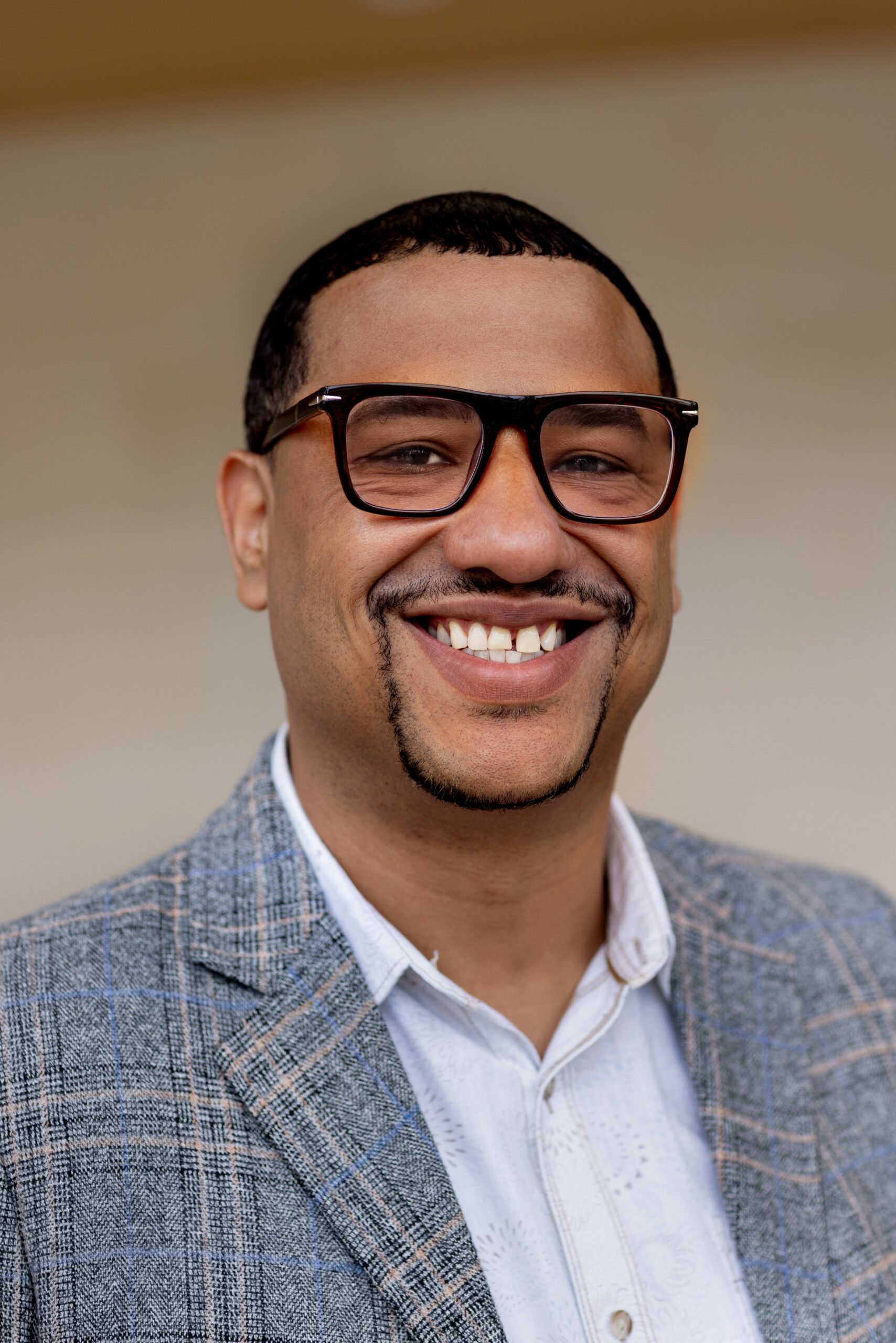
Keynote Speaker, Dexter Patterson
Dexter Patterson, also known as the Wisco Birder on social media, is an educator, author, speaker, and co-founder of the BIPOC Birding Club of Wisconsin. His lively “You Ready? Let’s Go!” videos, which showcase his birdwatching adventures, have attracted millions of views online. At UW-Madison, Dexter teaches science communication with a focus on digital media and serves as the Director of Sciences and Climate at the Wisconsin Academy of Sciences, Arts & Letters. He is committed to promoting inclusivity outdoors and sharing his passion for birds and conservation with others.
“Building a Culture of Conservation”
In this engaging, story-driven talk, Dexter Patterson, author of Birds of the Great Lakes, shares how the BIPOC Birding Club of Wisconsin is reimagining conservation through Bird Joy, accessibility, and intentional design. Drawing from real-world experiences and the sense of wonder that birding inspires, he emphasizes practical ways to create inclusive, welcoming outdoor spaces where more people can connect with nature and find their own spark. Participants will leave with practical strategies, a new perspective, and a deeper understanding that when more people experience joy and belonging in nature, both humans and wildlife benefit.
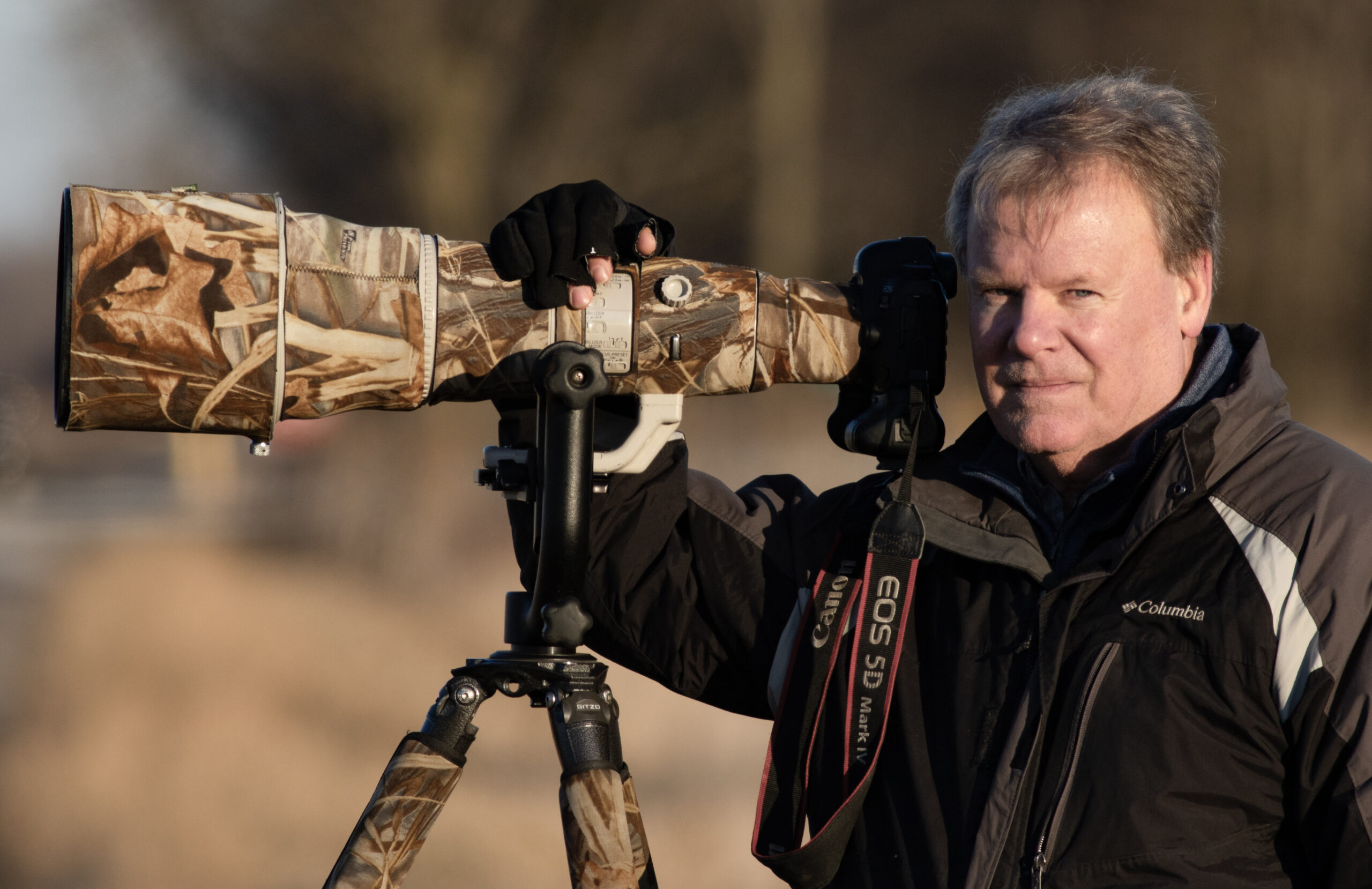
Plenary Address, Jim McCormac
Jim McCormac is a widely published wildlife photographer, has coauthored or authored seven books on the natural world, and has given hundreds of presentations across eastern North America and beyond.
“Mysterious Moths: Their Outsized Role in Nature”
Moths overwhelm butterflflies in species diversity and sheer numbers. Most moths are nocturnal and largely out of sight and mind. Nonetheless, they are one of the most important animal groups. Moths are inextricably
intertwined with native plants, bats, birds, and the whole of the eastern deciduous forest ecosystem. They play an enormous role in the pollination of native plants, and over the eons have spurred the evolution of myriad
defensive plant compounds to ward off caterpillar herbivory.
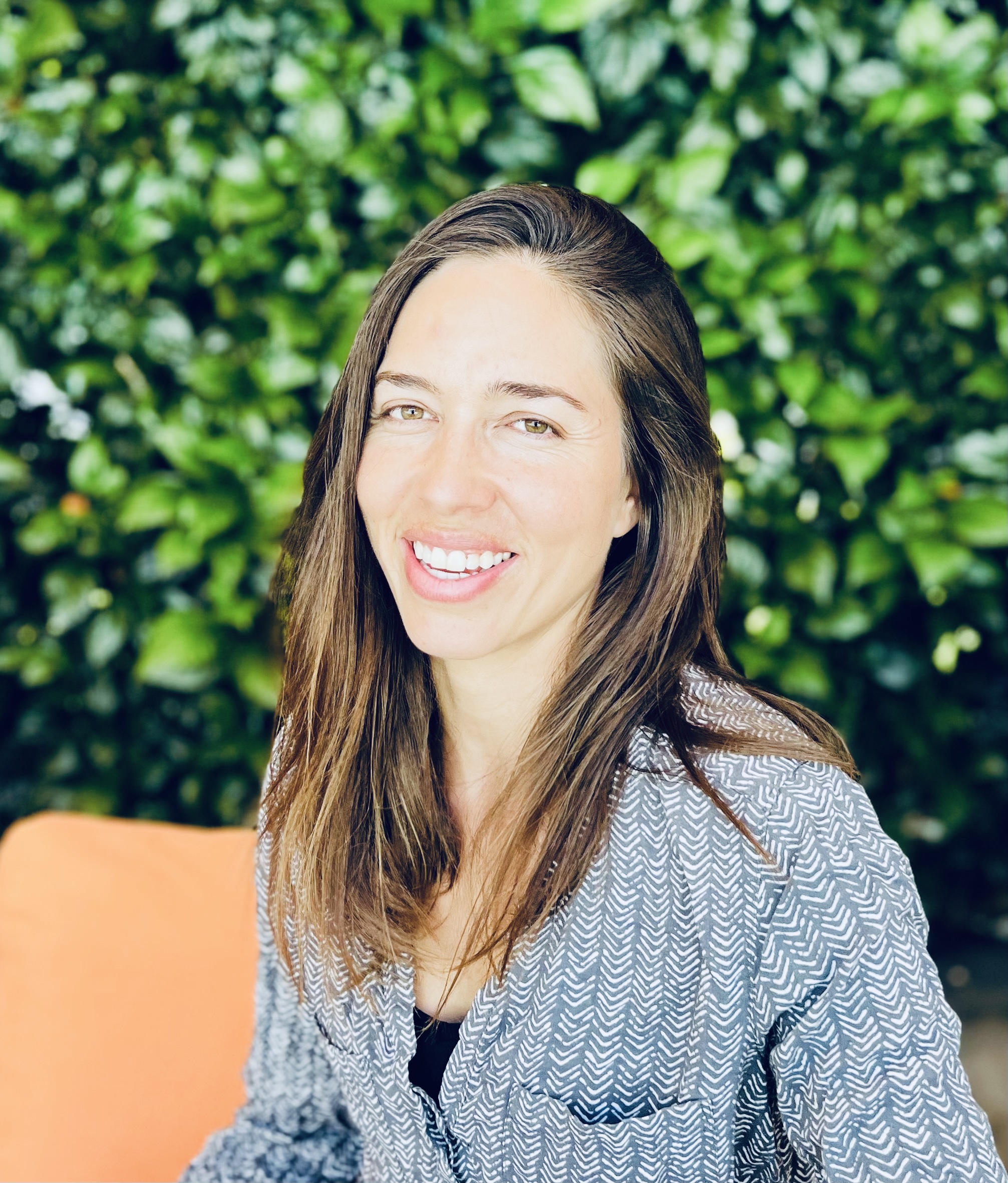
Ruth Sanchez
Ruth is an environmental professional with a background in Environmental Science and a passion for creating sustainable, resilient communities. As a certified Master Naturalist, Master Rain Gardener, and Permaculture Designer and Consultant, she combines ecological science with practical solutions that restore natural systems and improve the built environment.
“From Runoff to Renewal: How Rain Gardens Turn Stormwater into a Sustainable and Smart Landscape System”
What if the solution to flooding, polluted waterways, and declining pollinator habitat was already perfected by nature? Rain gardens are more than beautiful landscape features, they are living systems that capture, filter,
and absorb stormwater where it falls. By mimicking natural ecosystems, rain gardens transform runoff into a valuable resource, reducing flooding, improving water quality, replenishing groundwater, and supporting native
plants and wildlife.

Paul Whitaker
Paul is a Professor of Biology at UW Stevens Point in Wausau and is a founding board member of the Monk Botanical Gardens in Wausau. During his graduate work in entomology at UW-Madison, he studied how pest and beneficial insects in agricultural crops are influenced by the surrounding non-crop habitats. He has been a frequent presenter to Master Gardeners, Wild Ones, and other groups on topics ranging from insect biology and management, basic botany, weed biology and management, climate change, pollinator decline, biodiversity and other topics.
“Weeds are Fascinating Thugs”
Weeds have fascinating life history traits that help them colonize bare or disturbed soil and gaps in plant communities. Understanding these traits is essential for managing weeds effectively. This presentation will look at
life cycles, life history traits, and identification of a variety of weeds found in Wisconsin.
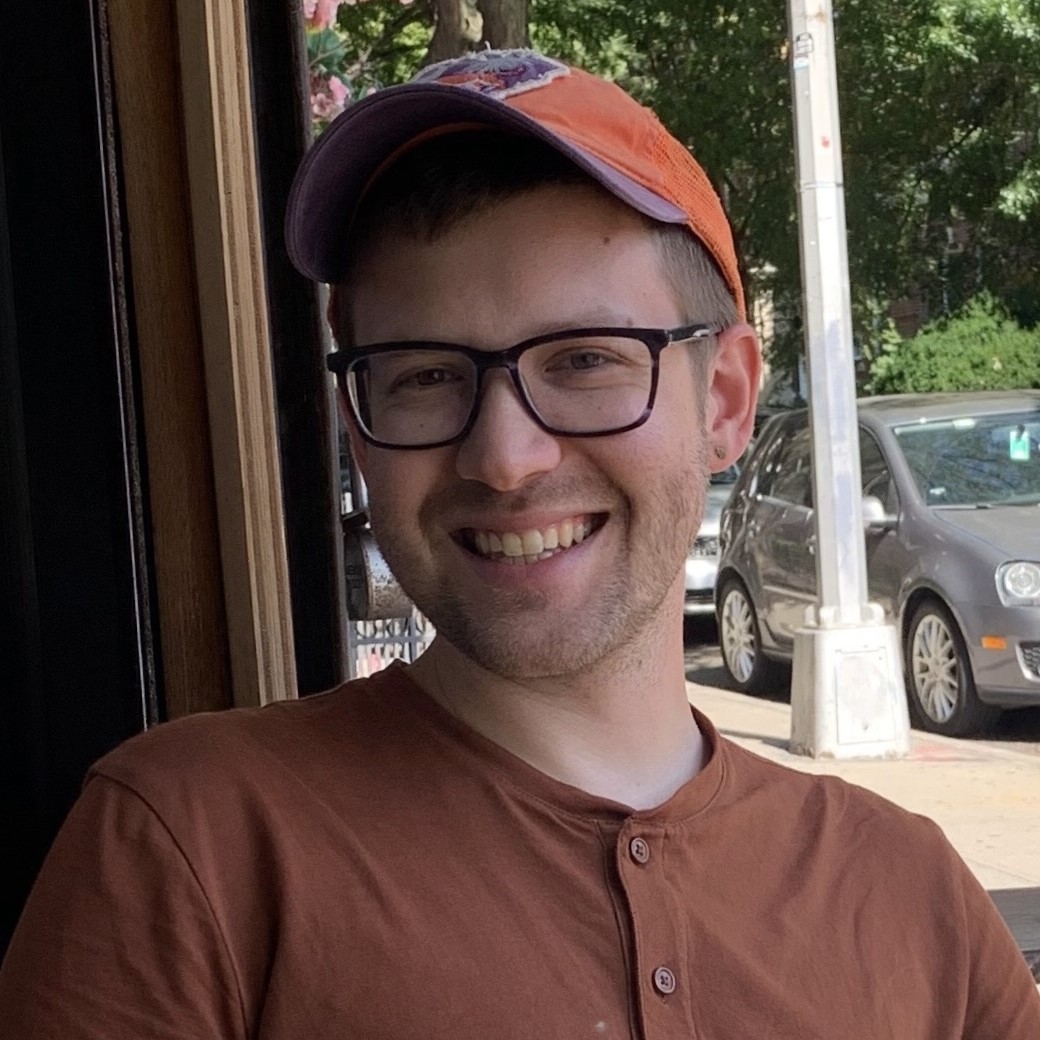
Keith Phelps
Keith is a Forestry Outreach Specialist with UW-Madison Extension and is based in Appleton, WI. Keith develops statewide programs and outreach to improve forest resilience, promote ecological stewardship, and increase awareness of forest carbon markets in partnership with the Wisconsin Department of Natural Resources. He also holds a board of directors seat on the WI Prescribed Fire Council.
Prior to joining UW-Madison Extension, Keith worked in ecological restoration and wetland consulting and obtained a master’s in forest resources from Clemson University. In his free time, Keith enjoys hiking, cooking, drawing, writing poetry, and playing guitar.
“Prescribed Fire in NE WI: Learning From the Past to Manage for the Future”
This talk will unpack the rich and complex fire history in NE WI. We will then discuss how prescribed fire is beneficial for many ecosystems in NE WI, how prescribed fires are conducted, considerations for small-scale
burns, and additional learning opportunities through the WI Prescribed Fire Council.
Jennifer Lazewski
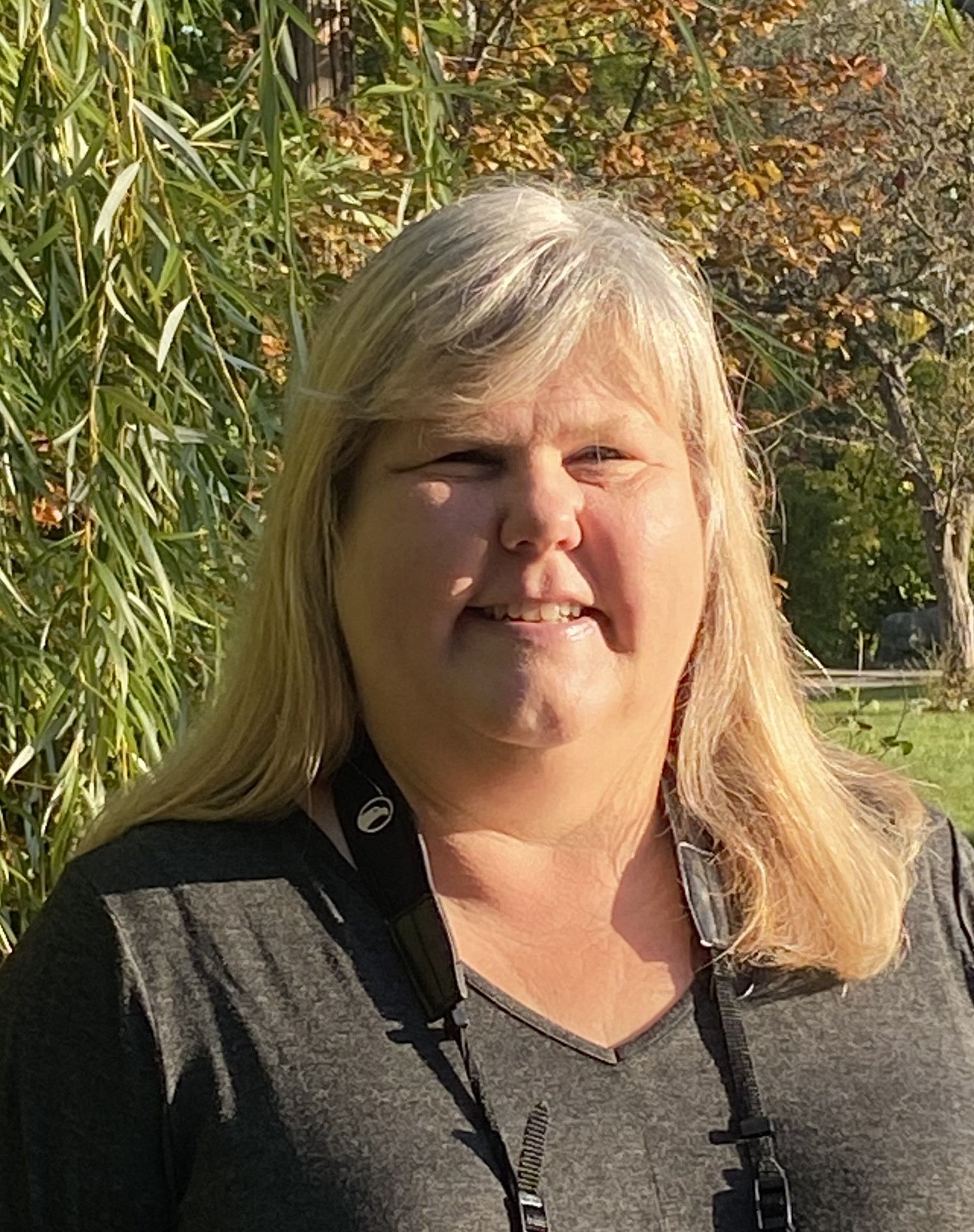
Jennifer Lazewski has spent more than a decade enthusiastically advocating for pollinators and gardening with native plants in her Milwaukee County urban yard. She has served as an officer in the Southwest Milwaukee/Wehr Wild Ones chapter. She volunteers in the UW-Madison Division of Extension Master Gardener and Master Naturalist programs. In addition to her years of bumble bee observations, she educates others as a DNR bumble bee ambassador and trainer. She also co-manages the Friends of Wehr Nature Center native plant sale, which is one of the largest in the state.
“Native Bees and Blooms Through the Seasons”
The key to supporting native bees and other pollinators is to provide continuous blooms that feed them from spring to fall. Learn how to do this by walking through the seasons from the early emerging mining bees on
spring ephemerals to the last bumble bees on showy goldenrod. Build your garden up with native shrubs and trees that boost your bloom power and provide for birds and other wildlife. Leave with a better knowledge of
how to enhance your yard’s ecosystem value and provide for greater biodiversity with native plants.
Nathan P Lemoine
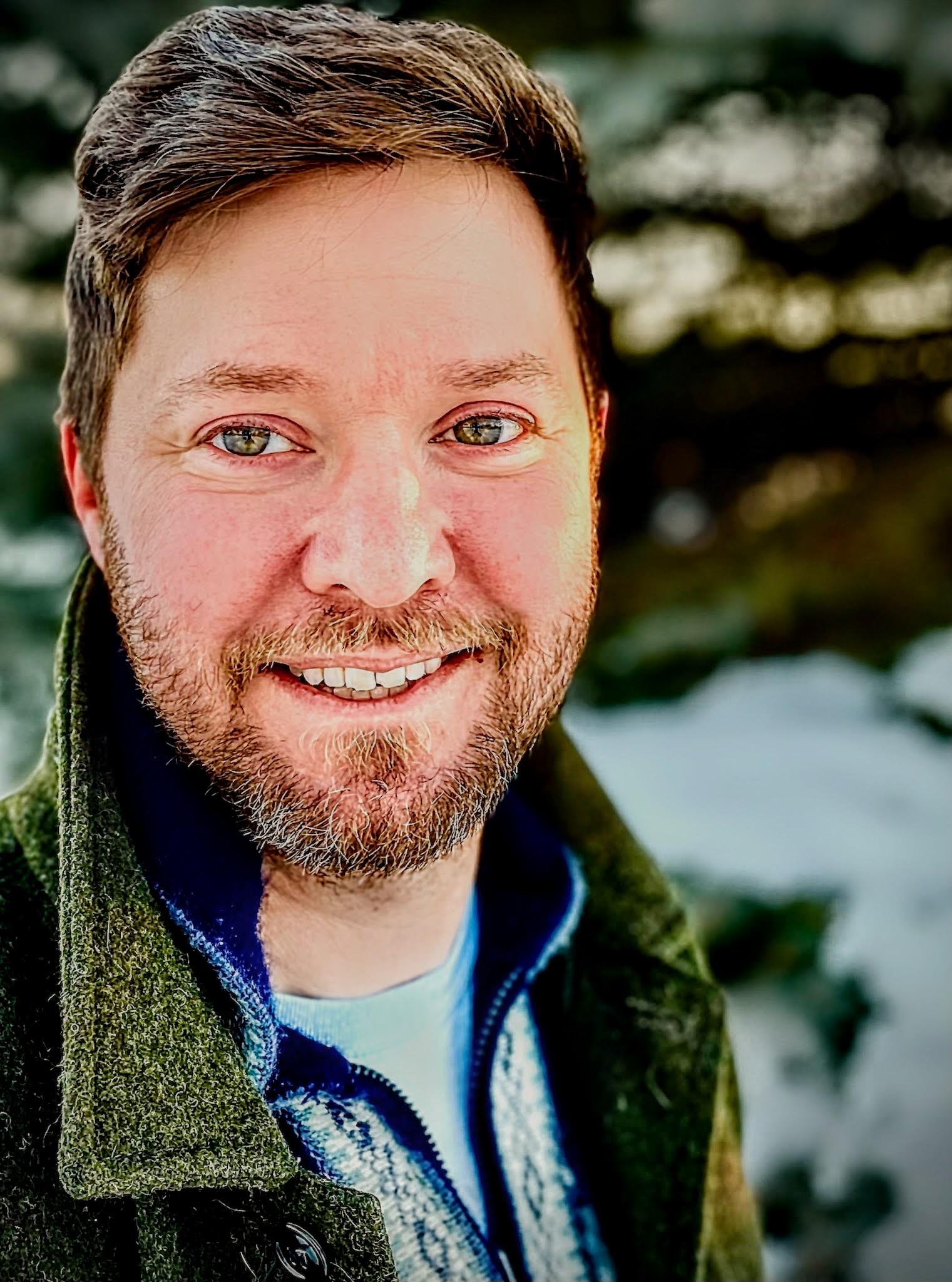
Nathan is an ecosystems ecologist who studies the effects of global change on grassland and savanna ecosystems.
“A Pain in the Grass: Grass Identification for Wisconsin Species”
Grasses are notoriously difficult to identify, especially when trying to identify which need to be removed and which can stay. This talk will cover the basics of grass identification, including examples of common local and
invasive species.


Shannon Davis-Foust, Andy Gilsdorf, and Merrie Schamberger
“Establishing Native Gardens Panel”
New for 2027 Dig deeper and join us for a collaborative panel discussion examining native plants through three unique lenses. This session features a convergence of minds, including a voice from the native plant industry; Andy Gilsdorf of Prairie Revival Ecological, Merrie Schamberger with 30 years of experience in Natural Resources Conservation, and our very
own Shannon Davis-Foust Ph.D. in Biological Sciences and Wild Ones Board Member since 2010.